

Can You Work While Living in a Sober Living Residence? A Guide for Men in Recovery
For many men considering recovery support, one of the first questions is whether they will have to put their professional lives on hold. They may have already stepped away from work to attend treatment, or they may be recognizing that their relationship with alcohol or other substances needs attention before the consequences become more significant. The thought of leaving a career, business, or leadership position can feel overwhelming. There are employees depending on them, clients expecting their attention, financial responsibilities to

What Does Relapse Prevention Really Look Like After Rehab?
Completing addiction treatment can create an enormous sense of momentum. Someone may leave with greater clarity, healthier coping skills, an understanding of their triggers, and a plan for continuing recovery. Then everyday life begins again. Work gets stressful. Relationships become complicated. Travel resumes. Weekends become less structured. Invitations arrive. Someone has a difficult day and realizes there is no longer a treatment schedule surrounding them. This is where relapse prevention after rehab becomes less about what someone learned and more about how they

Going Home After Rehab: When More Recovery Support May Be the Better Next Step
Completing residential addiction treatment is an important milestone. For many individuals and families, it is also the moment everyone has been waiting for. The natural assumption may be that the next step is going home. Home represents familiarity, family, independence, and a return to normal life. After weeks or months in treatment, the idea of sleeping in your own bed, returning to work, seeing your children every day, and resuming familiar routines can be incredibly appealing. But going home after rehab isn't always

What Happens After Rehab? Your Questions About Long-Term Recovery Support Answered
Completing a treatment program can feel like a major turning point. For many people and their families, however, it also brings up an entirely new set of questions. What happens after rehab? Is someone ready to go home? How much structure is still necessary? And what can families do to support recovery without becoming responsible for managing it? These questions are especially important because completing treatment and being ready to independently navigate everyday life are not always the same thing. Someone
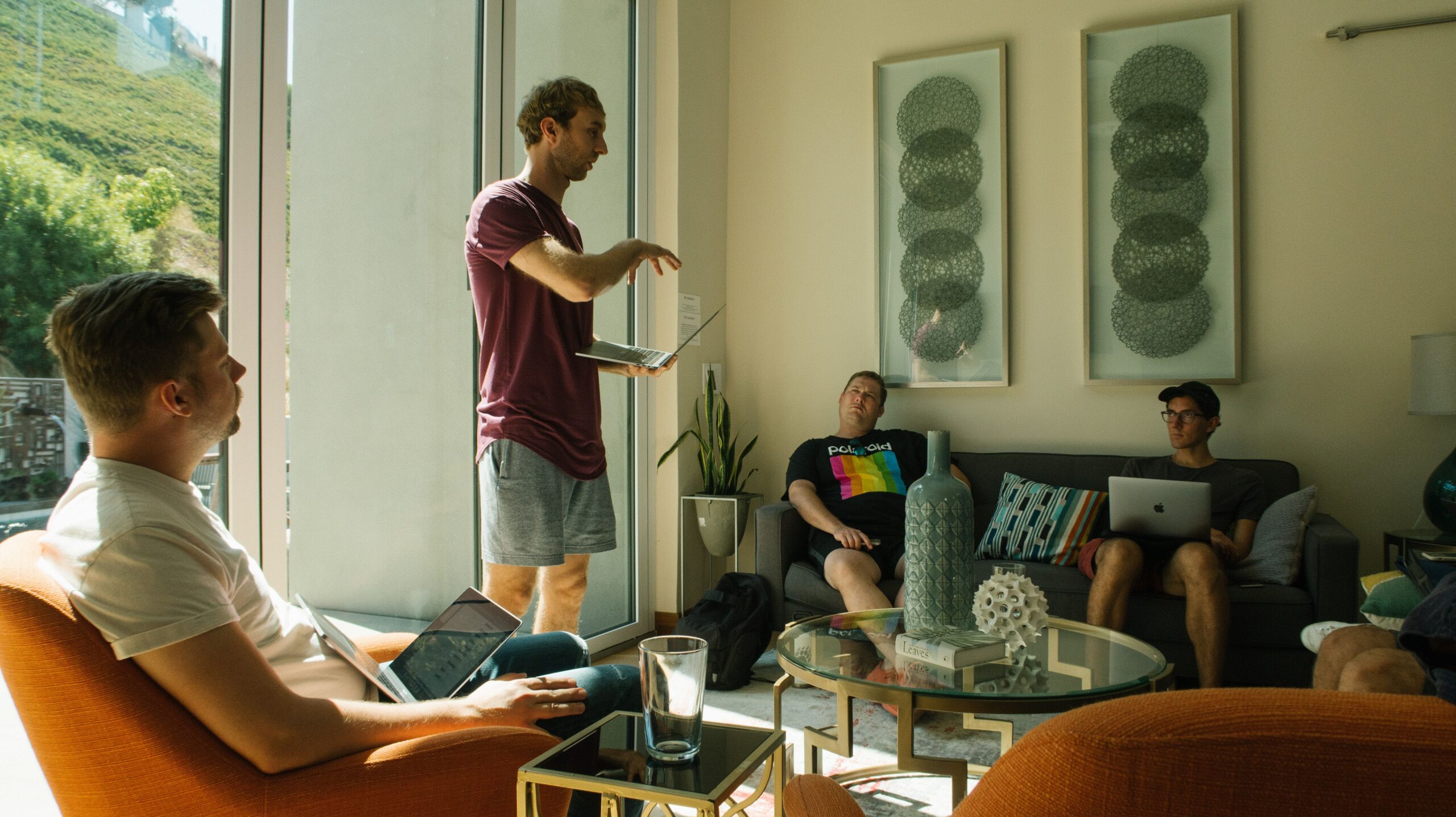
Do I Need Sober Living After Rehab? 7 Signs More Support May Be the Right Next Step
Completing residential addiction treatment can bring a mixture of excitement and uncertainty. There may be real progress to celebrate. Relationships may be beginning to heal, physical and emotional health may be improving, and someone may feel more hopeful about the future than they have in a long time. At the same time, leaving a highly structured treatment environment raises an important question: What happens next? For some people, returning home is an appropriate next step. For others, moving directly from residential treatment

What Happens After Rehab? Why the Transition Home Can Be the Most Important Part of Recovery
Completing addiction treatment can feel like reaching a finish line. For weeks or months, life may have revolved around recovery. There was a schedule, a treatment team, regular therapy, accountability, and a community of people who understood exactly what you were working toward. Then suddenly, discharge approaches and the question becomes much bigger than what happens next. What happens when you go home? For many individuals and families, this transition is one of the most important stages of recovery. Treatment can provide an

Recovery Doesn’t Just Save Careers. It Saves Families.
For many professionals struggling with alcohol or substance use, one of the first fears about getting help is what could happen to their career. Will people find out? Will I have to step away from work? What will happen to the company while I'm gone? Could seeking treatment change the way colleagues, employees, or clients see me? Those concerns are understandable. A career may represent decades of sacrifice, achievement, identity, and financial security. But while someone is working hard to protect everything they

Recovery Isn’t About Going Back. It’s About Building Forward.
When people first enter recovery, there is often an understandable desire to get life back to normal. They want their career back on track. They want their marriage to feel the way it used to. They want their children to trust them, their routines to return, and the uncertainty surrounding treatment and recovery to finally settle down. They want their old life back. But what if recovery isn't about going back? At The Lighthouse Recovery Services, we believe long-term recovery offers something more meaningful

Business Travel, Client Dinners, and Recovery: Navigating Professional Life Without Alcohol
For many professionals, alcohol isn't simply part of their personal life. It's woven into the culture of business. Client dinners often begin with a wine list. Conferences end with networking receptions. Golf outings include drinks at the clubhouse. Business travel brings hotel bars, airport lounges, and dinners where ordering a cocktail can feel almost automatic. For executives, entrepreneurs, attorneys, physicians, and business owners, these situations can create a difficult question: Can I maintain my recovery without sacrificing my career? At The Lighthouse Recovery Services,

Why Community Is the Missing Piece in Most Recovery Programs
Treatment can provide an essential foundation for recovery. It can offer stabilization, clinical support, education, and an opportunity to step away from the circumstances that may have contributed to substance use. But eventually, treatment ends and everyday life begins again. That transition can be one of the most vulnerable points in the recovery journey. The structure that surrounded someone during treatment is suddenly reduced, while work responsibilities, family relationships, social situations, stress, and familiar environments return. Knowing what to do is